Key Features to Look for in a Professional Automotive Diagnostic Tool
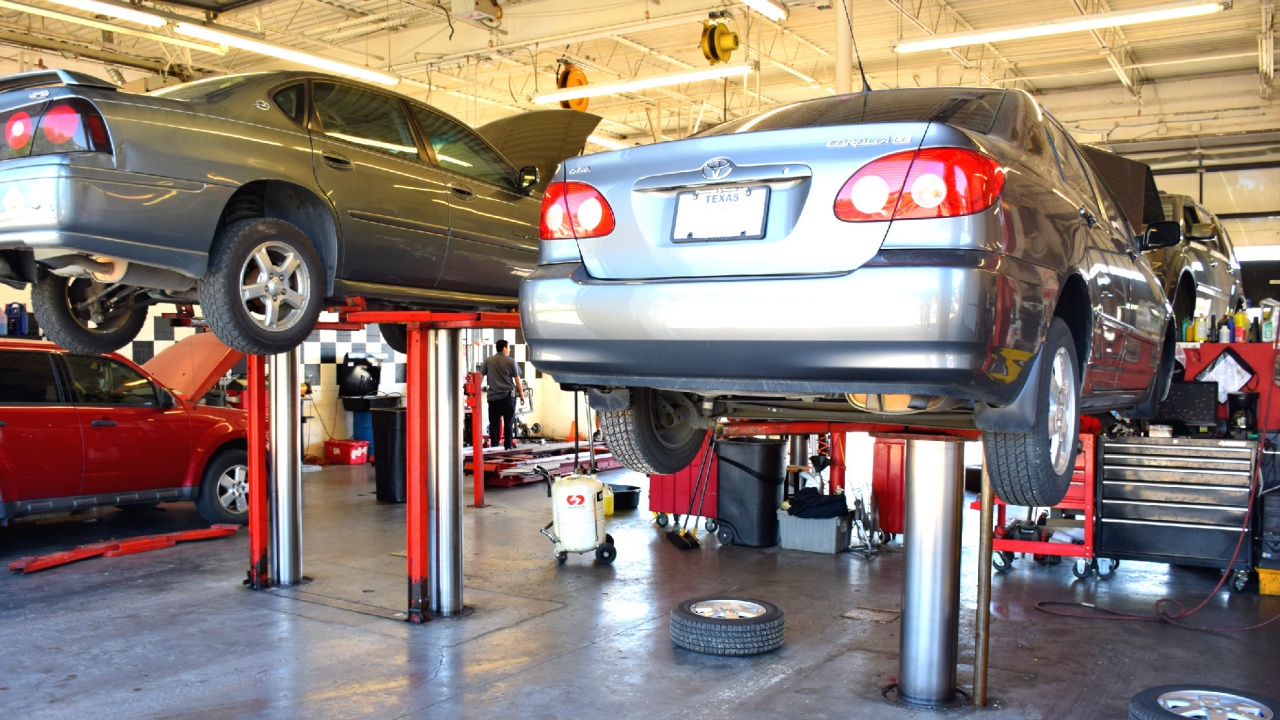
Automatic diagnostic tools used in automobiles have turned into a necessity in the repair and maintenance processes of automobiles. Since cars keep becoming more and more complex in regard to electronic systems, technicians depend on sophisticated diagnostic tools to diagnose something wrong and analyse the vehicle performance in a precise manner. Such tools are able to interface with the onboard computer network system of the vehicle and give detailed information on multiple parts of the vehicle, including the engine, the transmission, the braking system, and the emissions control. Customer-trusted diagnostic equipment assists technicians in detecting problems within a short period of time and performing accurate repairs. Such companies as Shenzhen Lenkor Technology Development Co., Ltd. provide an extensive selection of professional diagnostic instruments that suit the requirements of workshops that work with passenger cars, commercial cars, and new energy cars. For more information, visit site.
Wide Vehicle Compatibility
The ability to serve a wide variety of car brands and models is one of the most significant characteristics of a professional automotive diagnostic tool. Contemporary workshops have to service vehicles of various manufacturers, and therefore, diagnostic equipment should be able to support various systems and protocols. The diagnostic tool must offer high quality and compatibility with both domestic and international vehicles, in addition to being compatible with various model years. The multiple vehicle system tools enable the technicians to diagnose the engine, transmission, and other electronic control units (airbag, etc.) in one device.
Advanced Diagnostic Functions
The diagnostic tools used by the professionals should not be mere code reading. The high-level features, like the live data monitoring, system scanning, and component activation tests, are very important in enhancing diagnostic accuracy. Live data enables the technicians to monitor the performance of the sensors and systems in real-time when the vehicle is running. The component activation allows the mechanics to activate some of the systems or parts and see whether the systems are operating properly.
User-Friendly Interface and Navigation
A clear and simple interface is another significant characteristic of a professional automotive diagnostics tool. The technicians have to deal with these machines on a daily basis, and therefore, the software must enable them to navigate through menus and diagnostic features easily. The interface is properly designed so that one can more easily choose the models of vehicles, access the information about the system, and get a quick read of the diagnostic results. Touchscreen displays, structured menus, and easy navigation could go a long way toward enhancing efficiency in the diagnostic process. When the technicians can get information promptly, they can diagnose faster and decrease the time of repair.
Comprehensive System Coverage
A quality diagnostic tool ought to offer access to various vehicle systems, as opposed to the engine. In the present day, cars have many electronic control units that control various activities in the car. Advanced diagnostic equipment enables the technicians to scan and examine the systems (braking, airbags, steering system, transmission, climate control, driver assistance systems, etc.). Total system coverage will allow the workshops to detect concealed defects that can influence the total performance and safety of a vehicle. The ability renders the use of professional diagnostic tools useful in achieving a full-fledged vehicle inspection.
Special Service Functions
Professional automotive diagnostic tools also tend to contain special service functions that assist technicians in carrying out normal maintenance tasks and system resets. These functions could be oil service resets, battery registration, throttle adaptation and steering angle calibration. Key programming and immobiliser system diagnostics are also supported using some advanced tools. These features enable workshops to work on specific procedures without having to use distinct equipment. The professional diagnostic tools enhance efficiency and save time by having to use fewer tools since several service functions are integrated into a single device.
Data Recording and Reporting Features
The modern diagnostic tools can tend to have the capability of recording and storing the diagnostic data so that they can be analysed later. Recording data enables technicians to monitor the performance of the vehicle over time and identify repetitive issues that might not be experienced in a brief diagnostic examination. Other devices also produce detailed diagnostic reports, which could be sent to customers or saved as a record of services. These reporting mechanisms enhance communication between the technicians and owners of vehicles as they offer a clear record of the findings of problems and necessary repairs.
Conclusion
The selection of an appropriate professional automotive diagnostic tool is a critical factor in ensuring efficiency and accuracy in the current-day repair workshops. The ability to use a wide variety of vehicles, advanced diagnostics, easy interfaces, frequent software updates, and coverage of the whole system are some of the features that make these tools effective. Other features, such as special service functions and data reporting, also contribute to their value in the professional setting. With the further evolution of vehicles in terms of technology, high-quality diagnostic tools will be instrumental in detecting issues and guaranteeing the high quality of the vehicles’ functioning.