How to Choose Bulk Water Bottles for Corporate Gifting Without Getting Burned on Quality
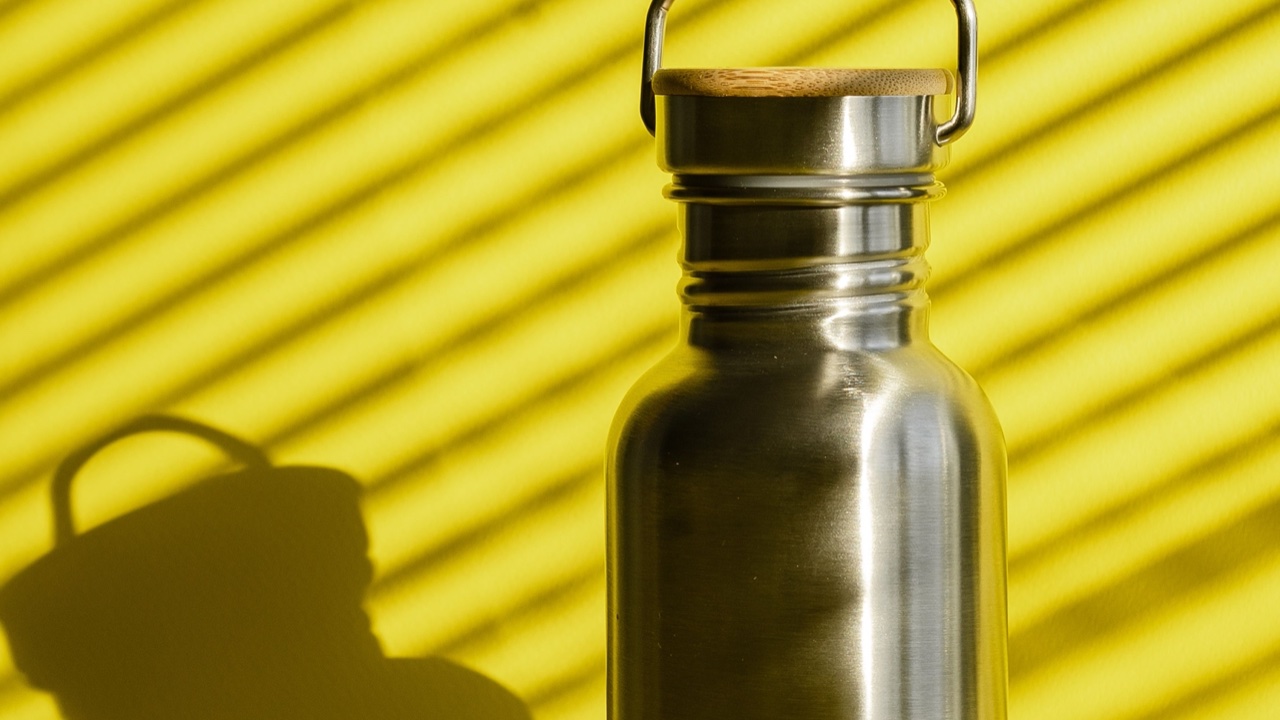
Corporate gifting with branded drinkware has a catch that most buyers discover too late: a water bottle that looks identical in a product photo can vary dramatically in actual quality, and those differences become painfully obvious the first time a recipient uses it. A bottle that sweats condensation all over a desk, or that retains last Tuesday’s coffee smell no matter how many times it’s washed, reflects on the brand whose logo is printed on the side — not on the supplier who sold it.
Sourcing bulk water bottles for corporate gifting requires a few decisions up front that most buyers don’t think about until they’re holding samples in their hands.
Stainless Steel Grade: 304 vs 316
Most stainless steel water bottles use 304 stainless steel (also labeled 18/8, referring to its chromium/nickel content). This is food-safe, corrosion-resistant, and adequate for the vast majority of drinkware applications. It’s what you’ll receive if you don’t specify otherwise.
316 stainless steel (18/10) adds molybdenum, which gives it better resistance to chloride corrosion — relevant for people who regularly fill bottles with sports drinks or electrolyte solutions containing salt. For a general corporate gift used for water, 304 is completely appropriate. If your recipients are likely to be athletes or outdoor workers who’ll use aggressive sports nutrition products regularly, 316 is worth specifying.
The practical difference for corporate gifting: 316 costs more and is less commonly stocked. If you need 316, communicate that early in the supplier conversation and verify that the bottles you’re ordering actually use it — the grade should appear on the product specification sheet, not just in the sales pitch.
Single-Wall vs Double-Wall Vacuum Insulation
Single-wall stainless bottles are lighter and cheaper. They also sweat condensation when filled with cold drinks, which is a problem on desks, in meeting rooms, and on laptop bags. For any corporate gift that recipients will use at a desk, single-wall is the wrong choice.
Double-wall vacuum insulation eliminates condensation and keeps drinks cold or hot for meaningful durations — typically 12+ hours cold, 6+ hours hot in reasonably well-made products. The word “vacuum” is important: double-wall construction with a plastic spacer (non-vacuum) is significantly less effective than true vacuum-insulated double wall. Ask specifically whether the product is vacuum-insulated, not just double-walled.
One way to verify vacuum insulation quality before committing to a large order: fill a sample with boiling water and hold the exterior. A properly vacuum-insulated bottle should be close to ambient temperature on the outside. Significant warmth on the exterior wall indicates inadequate vacuum or a thin wall.
Capacity and Form Factor for the Use Case
500ml and 750ml are the most versatile sizes for general corporate gifting — large enough for a meaningful amount of liquid, small enough to fit in most bag bottle pockets and standard cup holders. 1L bottles are popular for outdoor and fitness audiences but are too large for many bags and some car cup holders.
Wide-mouth openings (approximately 53mm diameter) allow ice cubes to be added and are easier to clean, which extends the useful life of the bottle. Narrow-mouth openings pour more cleanly but are harder to clean thoroughly and don’t accept ice. For corporate gifting where longevity matters — you want recipients to use the bottle for years — wide-mouth is generally preferable.
Lid type affects usability significantly. Flip-top lids allow one-handed operation and are popular with active users. Screw caps are simpler and less prone to leakage problems but require two hands. Straw lids are popular for desk use. If your recipient base is mixed, a screw cap or flip-top is the safest default.
Logo Application Methods
The two main options for bulk corporate water bottles are silkscreen printing and laser engraving. Each has a different cost profile and durability outcome.
Silkscreen printing applies color ink to the surface. It’s suitable for multi-color logos with gradients and detailed artwork. The trade-off is durability — silkscreen prints can chip or fade with regular use, particularly at areas that contact bag interiors. For a bottle that will be used daily and washed regularly, the print may show wear within a year.
Laser engraving removes the surface coating to expose the bare metal beneath, creating a permanent mark that cannot peel or fade. It handles single-color logos and text particularly well. The limitation is that it doesn’t reproduce color — engraved logos appear as a metallic area against the bottle’s surface coating. For bottles with powder coat finishes, the contrast can be striking.
For a gift intended to represent the brand well over a multi-year lifespan, laser engraving is the more durable choice. For a campaign-specific item where longevity matters less than color accuracy, silkscreen is appropriate.
Sample Testing Before Committing
For any order above a few hundred units, requesting physical samples before finalizing the order is standard practice and any legitimate supplier will accommodate it. The sample test should include: filling with ice water and leaving on a desk surface for 30 minutes (checking for condensation), filling with boiling water and checking exterior temperature, checking lid seal by inverting the filled bottle and shaking, and inspecting the interior finish for any coating or smell. A supplier who won’t send samples, or who sends samples that are clearly different from what would be shipped at volume, is a flag worth taking seriously before committing to a large order.